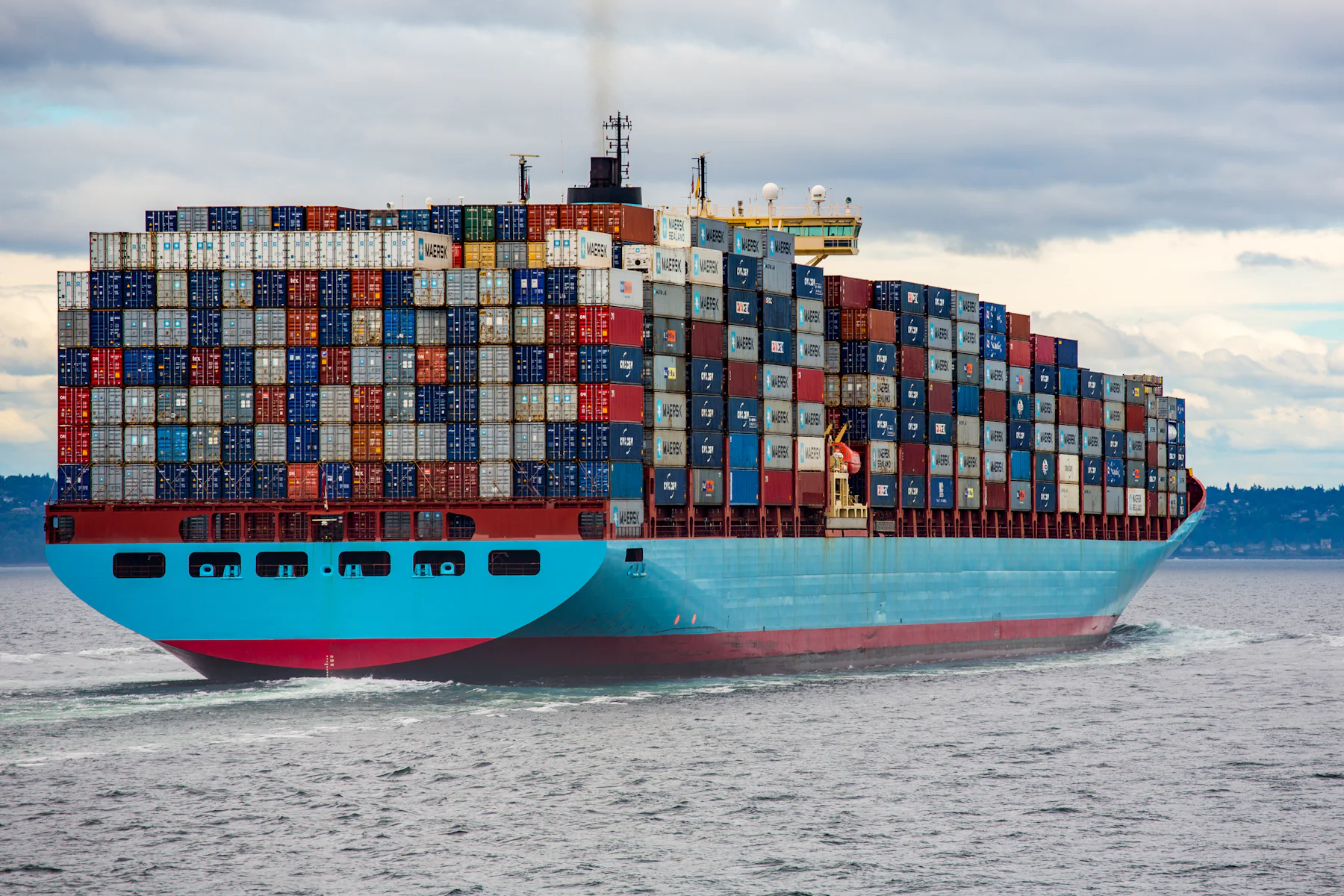
FCL or LCL: how to choose
Volume is only part of the answer. Here is how timing, risk and cost change the decision.

The basic difference
With full container load (FCL), you book a whole container. It is sealed at origin and normally stays closed until it reaches the destination, unless an authority chooses to inspect it.
With less than container load (LCL), your cargo shares a container with other shippers. It is packed at a consolidation warehouse at origin and unpacked at a similar warehouse at destination.
Where the break-even sits
A common rule of thumb is that FCL starts to make sense somewhere around 10 to 15 cubic metres, because LCL is priced per cubic metre and a 20-foot container has a flat price. The real break-even moves with the lane, the season and the local charges at each end.
It is worth pricing both options when you are near that range.
What volume does not tell you
LCL cargo is handled more often, so fragile goods may be better off in a container of their own. Consolidation also adds time at both ends, because the container cannot leave until it is full and cannot be released until it is unpacked.
One shipper's paperwork problem can also hold up an entire shared container. If a delay would be costly, that risk belongs in your comparison.